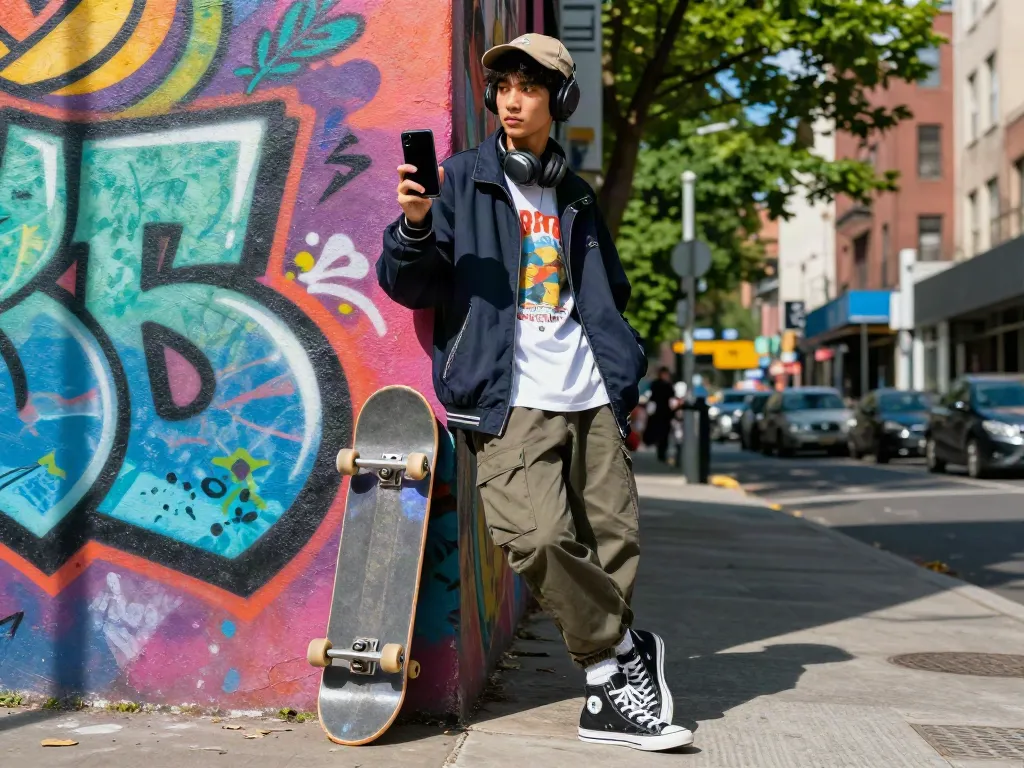
Understanding the peh888 Streetwear Movement
The peh888 movement symbolizes a vibrant and ever-evolving facet of streetwear culture, which has not only influenced fashion but has also served as a platform for self-expression and community building. Emerging from the urban landscapes of the late 20th century, streetwear has morphed into a global phenomenon that resonates with diverse demographics. It intertwines various cultural aspects, blending high fashion with athletic wear, and acts as a canvas for youth engagement in social, political, and environmental dialogues. When exploring options, peh888 provides comprehensive insights into how brands can navigate this complex landscape.
History and Evolution of Streetwear Culture
Streetwear culture traces its roots back to the 1980s, characterized by its rebellious spirit and grounded in skateboarding, hip hop, and graffiti art. The initial wave saw brands like Stüssy blend surf culture aesthetics with urban styles. As the years progressed, the movement transitioned from niche subcultures to mainstream fashion, particularly during the 1990s with the rise of brands like Supreme and A Bathing Ape (BAPE). This evolution has fostered a rich tapestry of influences, from Japanese street style to high-end collaborations with luxury fashion houses, further embedding streetwear into the broader fashion industry.
Key Influences and Trends in Streetwear
Several key influences have shaped the streetwear landscape over the decades. The fusion of high fashion and street culture has become a defining trend, exemplified by collaborations that push the boundaries of traditional design. Influencers and celebrities play a pivotal role, with figures like Kanye West and Virgil Abloh shaping consumer perceptions and driving demand. Moreover, the rise of sustainability and eco-conscious fashion has prompted many streetwear brands to embrace ethical practices, rethinking material sourcing and production processes to meet the expectations of socially aware consumers.
Demographics and Target Audience Insights
Understanding the demographics of streetwear consumers is crucial for any peh888 brand looking to penetrate this market. Primarily, the audience consists of young adults aged 18-30, with a strong inclination towards individuality and self-expression. This generation is highly influenced by social media, making them receptive to brands that engage authentically. Furthermore, as streetwear continues to transcend traditional boundaries, a more diverse consumer base, including older adults and different social groups, is emerging, demanding inclusivity and representation in designs.
Defining Your Brand Identity in Streetwear
Crafting a unique brand identity is fundamental for any streetwear label, particularly in the crowded market of peh888. A strong identity not only resonates with consumers but also establishes a memorable presence in the industry.
Crafting a Unique Selling Proposition for peh888
Your unique selling proposition (USP) should be at the heart of your brand strategy. This encompasses what makes your peh888 line stand out—be it innovative designs, superior quality, or a commitment to sustainability. Successful brands often leverage storytelling to connect with their audience, reflecting the ethos and values of the community they serve. Identifying and articulating your USP effectively can help differentiate your brand amidst the saturated market.
Building a Cohesive Visual Aesthetic
A cohesive visual aesthetic is essential in streetwear, reflecting the culture's bold and expressive nature. This includes consistent use of color palettes, patterns, and logo designs across all product lines and marketing materials. The visual representation of your brand should resonate with your target audience and evoke emotions that align with their lifestyle and aspirations.
Communicating Brand Values and Authenticity
In an age where consumers are increasingly skeptical, authenticity is paramount. Establishing clear brand values that resonate with your target audience fosters trust and loyalty. Transparency about production processes, materials used, and ethical practices can enhance your brand’s credibility. Engaging with your community through events, social causes, or partnerships with local artists can further solidify your authenticity and connection to the culture.
Design Standards for Successful Streetwear Collections
Design standards in streetwear must align with the fast-paced trends and the evolving tastes of consumers, ensuring that collections are both relevant and appealing.
Materials and Sustainability in Streetwear Fashion
As the demand for sustainable fashion grows, streetwear brands must adopt eco-friendly materials and practices. Utilizing organic cotton, recycled fabrics, and non-toxic dyes not only appeals to environmentally conscious consumers but also reinforces your brand’s commitment to sustainability. Incorporating sustainable practices throughout your supply chain can serve as a powerful marketing tool while positively impacting the planet.
Color Palettes and Patterns That Resonate
Streetwear thrives on bold color palettes and innovative patterns. Understanding color psychology can help brands create collections that evoke specific emotional responses. Popular trends include earth tones, neon accents, and patterns that reflect cultural elements or abstract art styles. It's essential to keep your finger on the pulse of current trends while not losing sight of your brand identity.
Iconic Collaborations Within the Streetwear Space
Collaborations between streetwear brands and high-end fashion labels or artists can create buzz and introduce your brand to new audiences. Successful collaborations leverage the strengths of both entities, bringing unique designs that resonate with a diverse consumer base. Notable examples include the partnership between Supreme and Louis Vuitton, which blurred the lines between luxury and streetwear, creating a cultural moment that reverberated globally.
Marketing Strategies to Elevate Your Streetwear Brand
Effective marketing strategies are crucial for establishing and growing your streetwear brand's presence in the competitive landscape.
Utilizing Social Media and Influencer Partnerships
Social media is a powerful tool in the streetwear industry. Platforms like Instagram and TikTok allow brands to showcase their collections visually and engage with consumers directly. Collaborating with influencers who align with your brand values can amplify your reach and authenticity, fostering community among your target demographic.
Building a Strong Online Presence for Engagement
A robust online presence is vital for any streetwear brand. Your website should be visually appealing while providing an intuitive shopping experience. Incorporating blog content around fashion trends, styling tips, or brand stories can enhance consumer engagement and SEO performance. Regularly updating your content keeps your audience informed and connected.
Leveraging Streetwear Events and Pop-Up Shops
Participating in streetwear events or hosting pop-up shops can significantly enhance brand visibility. These in-person experiences allow consumers to engage with your products directly, creating memorable interactions that foster loyalty. Offering exclusive merchandise or limited-time collections during these events can create urgency and excitement.
Future Trends in the Streetwear Landscape for 2026
As we look towards 2026, several trends are likely to shape the streetwear landscape, influencing how brands operate and engage with consumers.
Innovations in E-Commerce for Streetwear Brands
The future of e-commerce in streetwear is expected to innovate, integrating technologies like augmented reality (AR) for virtual try-ons and personalized shopping experiences. Enhanced online shopping tools can help bridge the gap between physical and digital spaces, offering consumers a comprehensive view of products before making a purchase.
How Technology is Shaping Streetwear Shopping Experiences
Technology is reshaping how consumers interact with brands. From AI-driven recommendations to personalized marketing strategies based on user behavior, brands can create tailored experiences that resonate with their audience. Moreover, the use of blockchain for transparency in supply chains may further build consumer trust in streetwear brands.
Predictions for the Next Wave of Streetwear Aesthetics
The next wave of streetwear aesthetics may shift towards inclusivity and versatility, embracing diverse cultural influences and catering to a broader audience. Expect to see an amalgamation of styles that reflect global perspectives, blurring the lines between traditional gender norms and fashion. This evolution will require brands to stay agile and responsive to shifting consumer values and preferences.
What is the significance of streetwear in today's fashion?
Streetwear is significant as it transcends fashion, becoming a cultural movement that influences social discourse and personal identity. It serves as a platform for self-expression and community, merging art, music, and activism into its fabric. As it remains a dominant force in contemporary fashion, understanding its implications is crucial for any brand looking to succeed in this space.
How can I differentiate my peh888 brand in a saturated market?
Differentiating your brand requires a clear understanding of your unique selling proposition, engaging storytelling, and authentic connections with your audience. Emphasizing quality, sustainability, or innovative design can set your brand apart. Additionally, staying attuned to cultural shifts and consumer needs can help guide your brand strategy effectively.
What are effective strategies for marketing streetwear?
Successful marketing strategies include leveraging social media platforms, creating compelling narratives around your brand, and engaging in collaborations that enhance your visibility. Participating in streetwear events and utilizing influencer partnerships can also amplify your reach and foster community engagement.
What sustainable practices should I consider for my streetwear line?
Consider integrating sustainable practices such as sourcing organic or recycled materials, implementing ethical labor practices, and minimizing waste through efficient production processes. Transparency in your supply chain can also resonate with eco-conscious consumers, enhancing brand loyalty.
How can technology influence the future of streetwear?
Technology will continue to influence streetwear through advancements in e-commerce, personalized shopping experiences, and innovative marketing strategies. The integration of AI, AR, and blockchain can reshape consumer interactions with brands, offering transparency and enhancing engagement.